Seasonal Festivals
From local matsuri to grand reenactments, festivals unite communities in celebration. Vibrant parades, taiko drums, and lantern-lit streets bring centuries of tradition to life.
Explore Festivals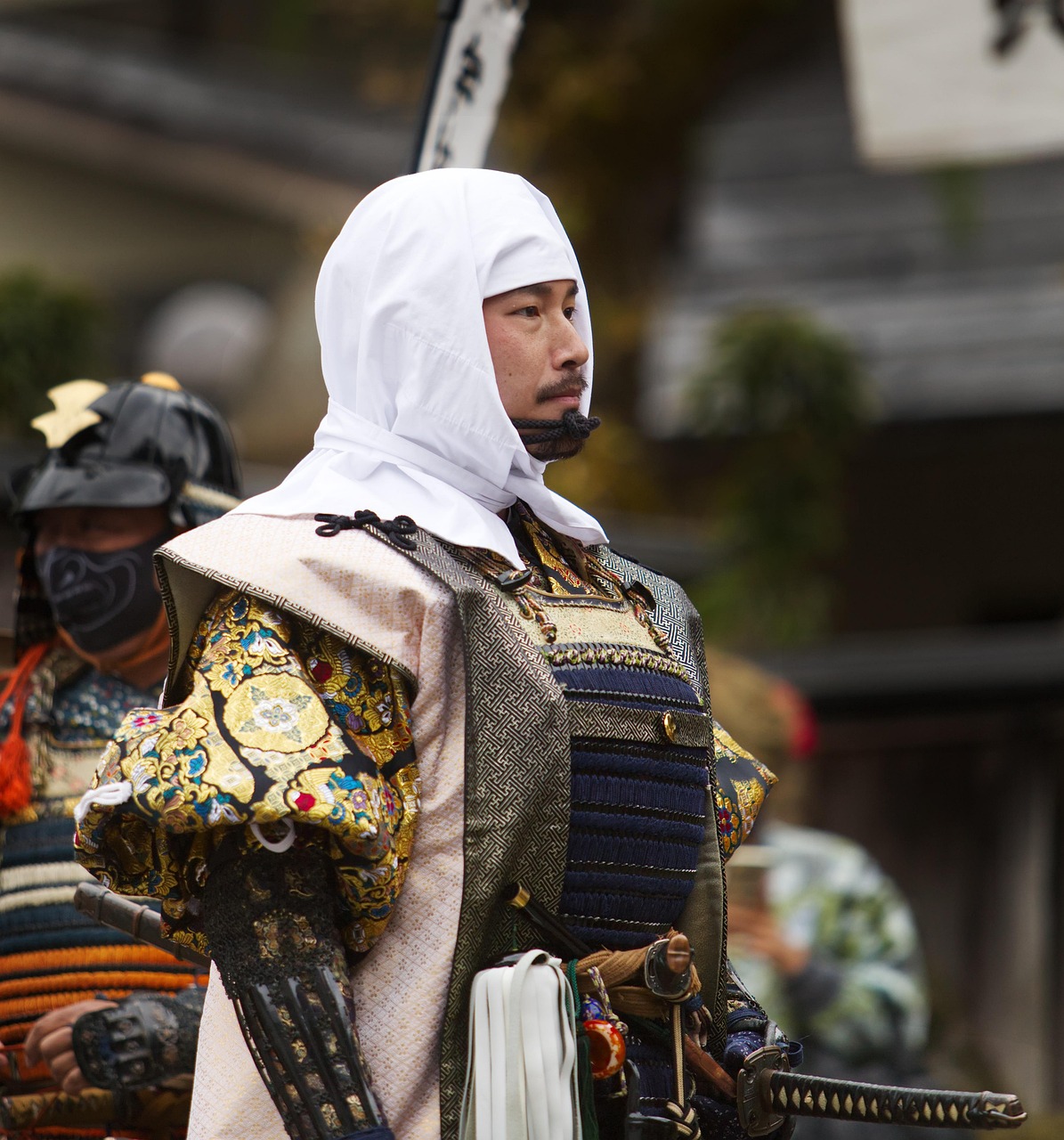
Japan’s rich heritage is a harmonious blend of history, spirituality, and artistry. Ancient customs and modern life coexist gracefully — from centuries-old tea ceremonies and graceful calligraphy to vibrant festivals that celebrate the changing seasons. Visitors can explore sacred temples, witness traditional crafts passed down through generations, and experience the quiet elegance of geisha performances. At the heart of it all lies a deep appreciation for harmony, simplicity, and the fleeting beauty of each moment — the true essence of Japanese culture..
From local matsuri to grand reenactments, festivals unite communities in celebration. Vibrant parades, taiko drums, and lantern-lit streets bring centuries of tradition to life.
Explore Festivals
UNESCO-listed castles, temples, and preserved districts embody Japan’s architectural soul. Each stone, beam, and garden reflects wabi-sabi — beauty in imperfection.
Explore Sites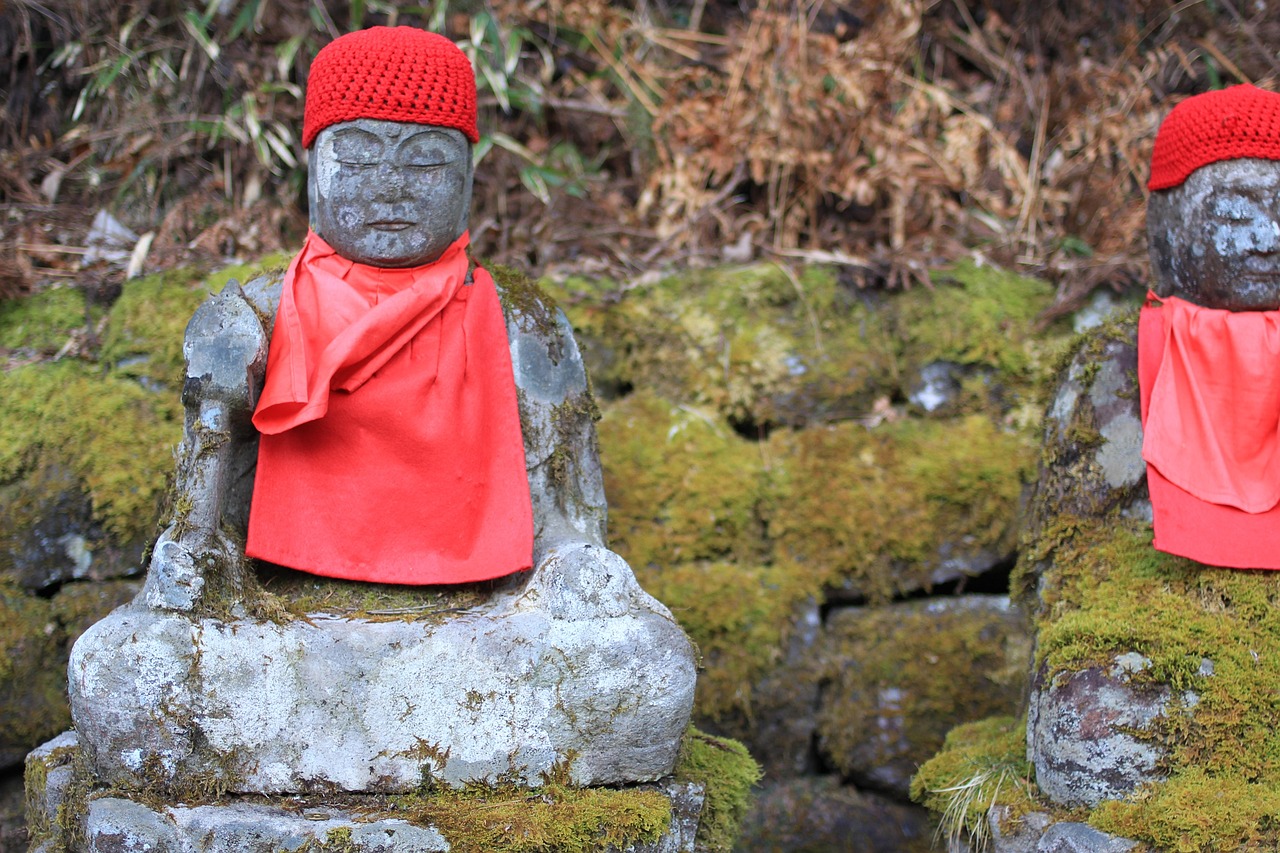
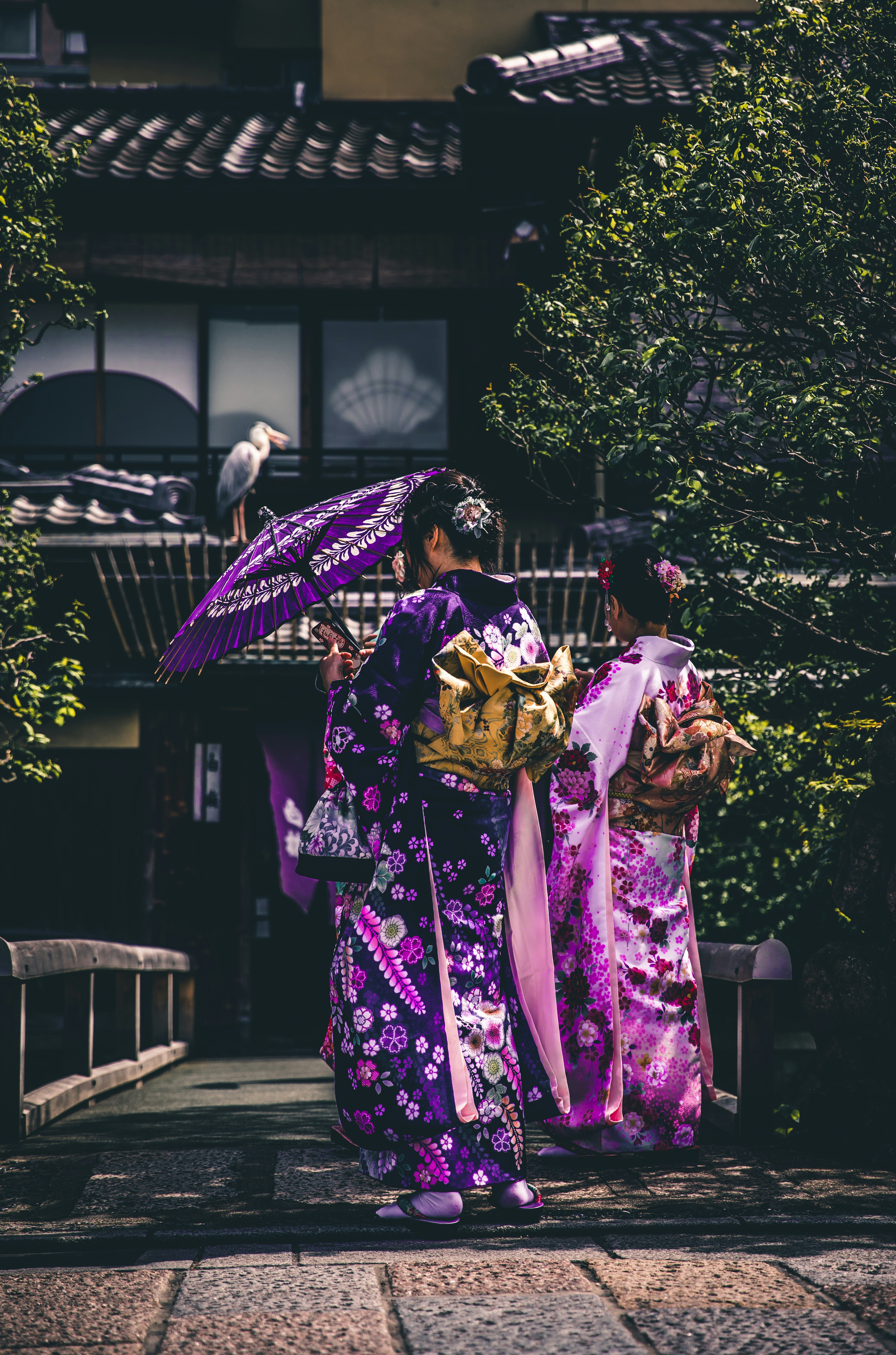
Geisha are traditional Japanese female entertainers, skilled in classical music, dance, and conversation. They are living symbols of Japan’s refined arts and hospitality.
Geisha culture, which began in Kyoto during the 18th century, remains one of Japan’s most iconic traditions. These highly skilled entertainers are known for their elegance, artistry, and grace. Dressed in exquisite kimono with intricate hairstyles and signature white makeup, geisha captivate audiences through refined performances of music, dance, and conversation. While their numbers have declined over time, Kyoto continues to preserve this heritage, offering visitors a glimpse into Japan’s living history through authentic geisha performances and cultural experiences.
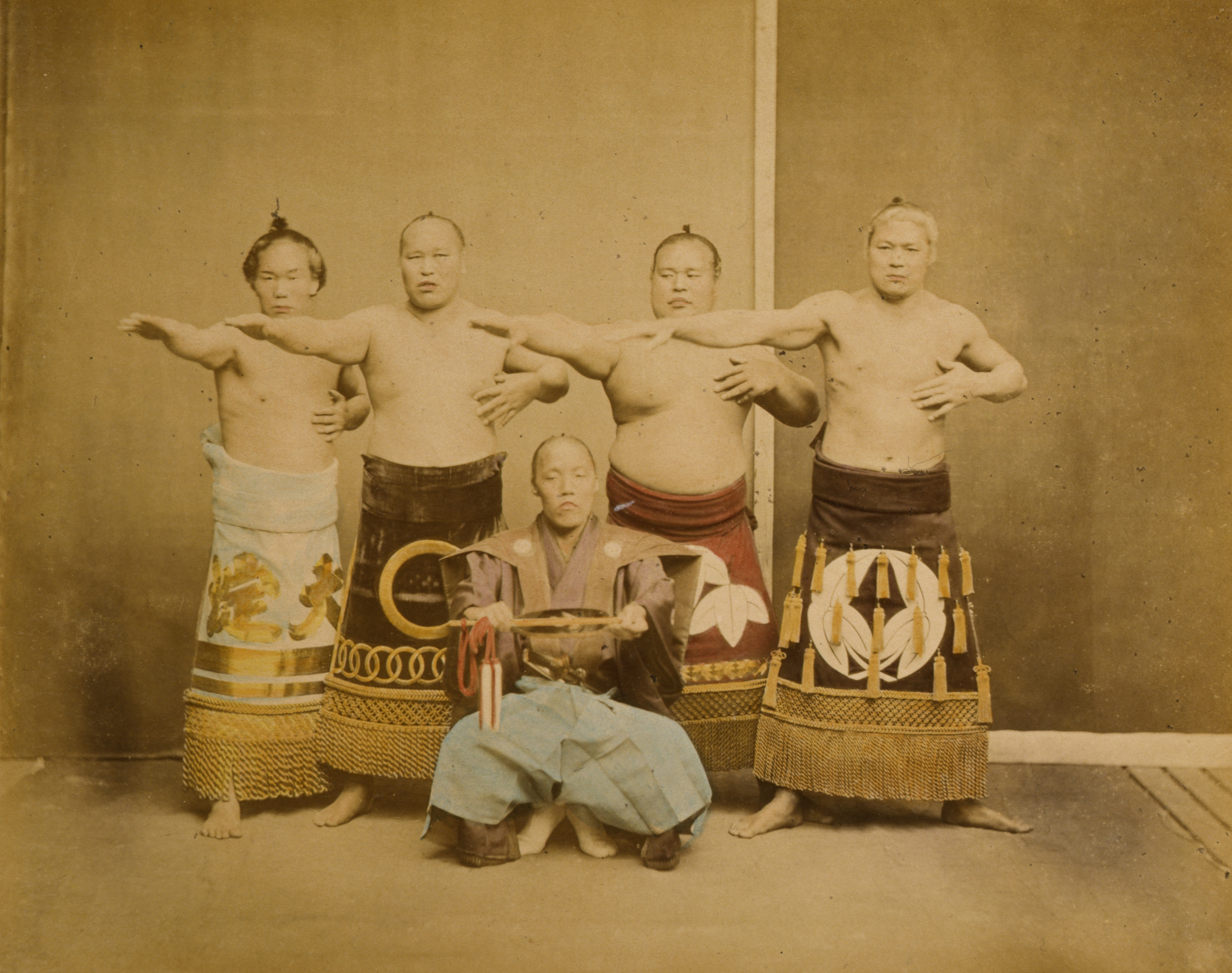
Sumo wrestling is more than a sport — it’s a deeply traditional part of Japanese culture.
Originating over 1,500 years ago, sumo combines strength, skill, and ritual. Matches are performed in a dohyō, a sacred ring, and pre-/post-bout rituals reflect Shinto traditions.
Sumo wrestlers, or rikishi, live disciplined lives in training stables, following strict diets and lifestyle rules.
Watching a sumo tournament offers travelers a glimpse into Japan’s unique blend of sport, ceremony, and culture.
From Gion Matsuri in Kyoto to snow festivals in Hokkaido, Japan celebrates over 300,000 annual events. Experience the joy of community, color, and centuries-old customs.
Japan boasts 25 World Heritage sites — from Himeji Castle’s elegance to Hiroshima’s Peace Memorial. Each tells a story of resilience, beauty, and human spirit.